summit farms

Northern Dog Breed Facts

There's plenty to know about the northern dog breeds, here's a few facts about some that we specialize in rescuing!


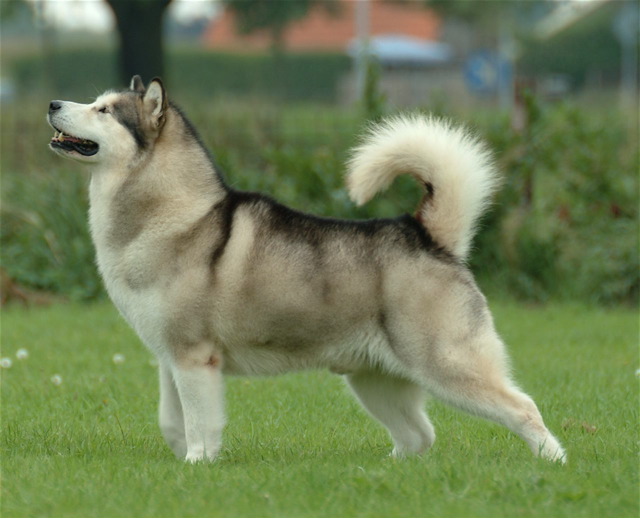
Malamute

Alaskan Malamute

  • The history of the breed dates back a seriously long time. 5,000 years ago the first settlers of North America kept Alaskan malamutes as their companions and as work dogs.
  • Some relatives of the Alaskan malamute you might recognize are the Samoyed, the Siberian husky and even the Labrador.
  • They're built to withstand cold temperatures, and were historically used in Arctic expeditions. They helped settlers hunt, track, look out for bears and also helped to haul gear across snowy terrain, pulling heavy sleds.
  • During World War I, 450 Alaskan malamutes were shipped to France to deliver supplies to French army troops isolated in mountain outposts.
  • Alaskan malamutes were also used in World War II, this time to sniff for mines, carry weapons and act as search-and-rescue dogs.
Husky

Alaskan Husky

  • Technically, the Alaskan Husky isn't a breed at all. In reality, the term "Alaskan Husky" refers to a category of dog bred purely for their impressive ability as sled dogs.
  • This is a dog bred to run, run, and run some more, so don't expect them to be happy just lazing around the house all day.
  • Alaskan Huskies are generally medium-sized dogs. They weigh somewhere between 35 and 60 pounds, have pricked ears, and boast a thick undercoat to provide protection against the cold.
  • Alaskans are good-natured, loving, and always up for a snuggle.
  • Alaskan Huskies are well known for having minds of their own and sometimes being a little stubborn, so it's a good idea to start training your puppy early to help overcome this independent streak.

Klee Klai

Alaskan Klee Klai

  • Although small, they are a versatile dog breed that enjoys being active and being around the people they like the best.
  • Although the Alaskan Klee Kai looks like a miniaturized Husky and is even sometimes referred to as a "Miniature Husky", they are not Huskies as we know them today.
  • Although they are not yet recognized as a purebred dog by the American Kennel Club, they can be enrolled in the AKC Canine Partners Program and can also compete in AKC Companion Events.
  • Like the Siberian Husky, the Alaskan Klee Kai has a high prey drive and an urge to wander. This means they are prone to chase anything they find interesting and also that they have wanderlust.
  • Alaskan Klee Kai tend to be quiet in general. Unless they have been trained into it, they don't usually bark or howl a lot.

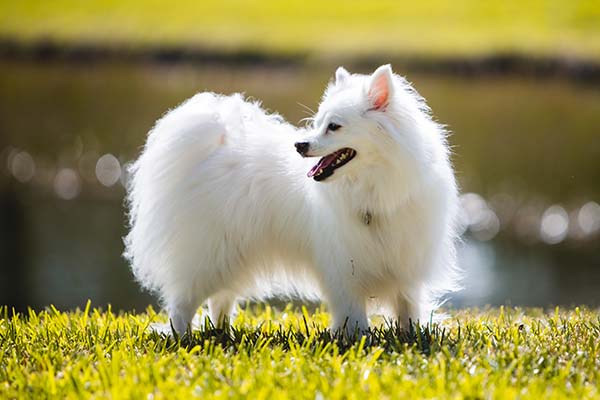
American Eskimo

American Eskimo

  • The American Eskimo Dog originated in Germany and descended from the German Spitz.
  • Despite what their name might suggest, Eskies were never bred to be sled dogs. They do, however, excel at agility competitions.
  • In the late 19th century, the American Eskimo Dog became popular with traveling circuses.
  • An Eskie was the first dog known to ever walk a tightrope.
  • Like the Poodle, the American Eskimo Dog comes in three sizes: standard, miniature, and toy. The standard, though, usually weighs no more than 35 pounds.

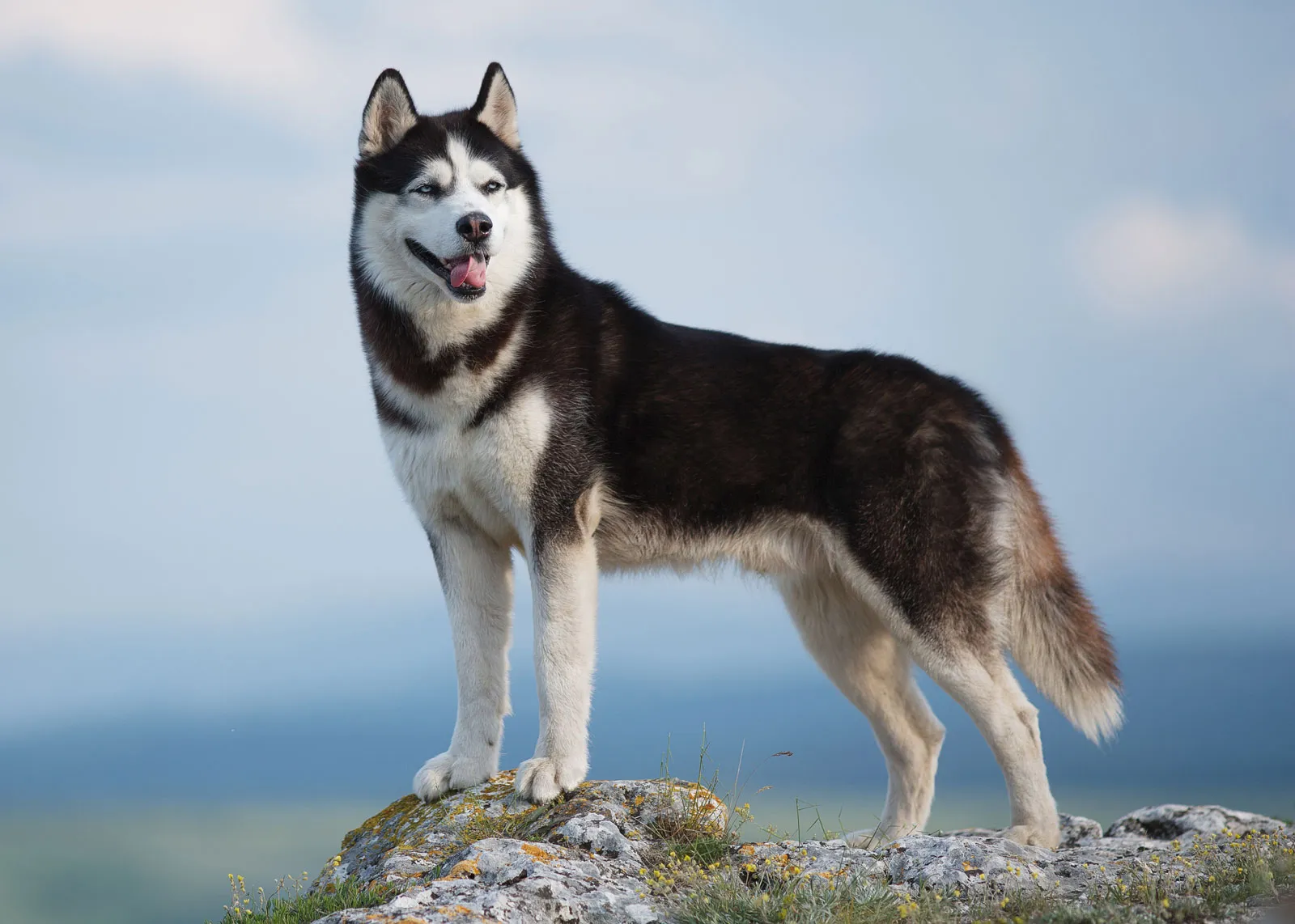
Siberian Husky

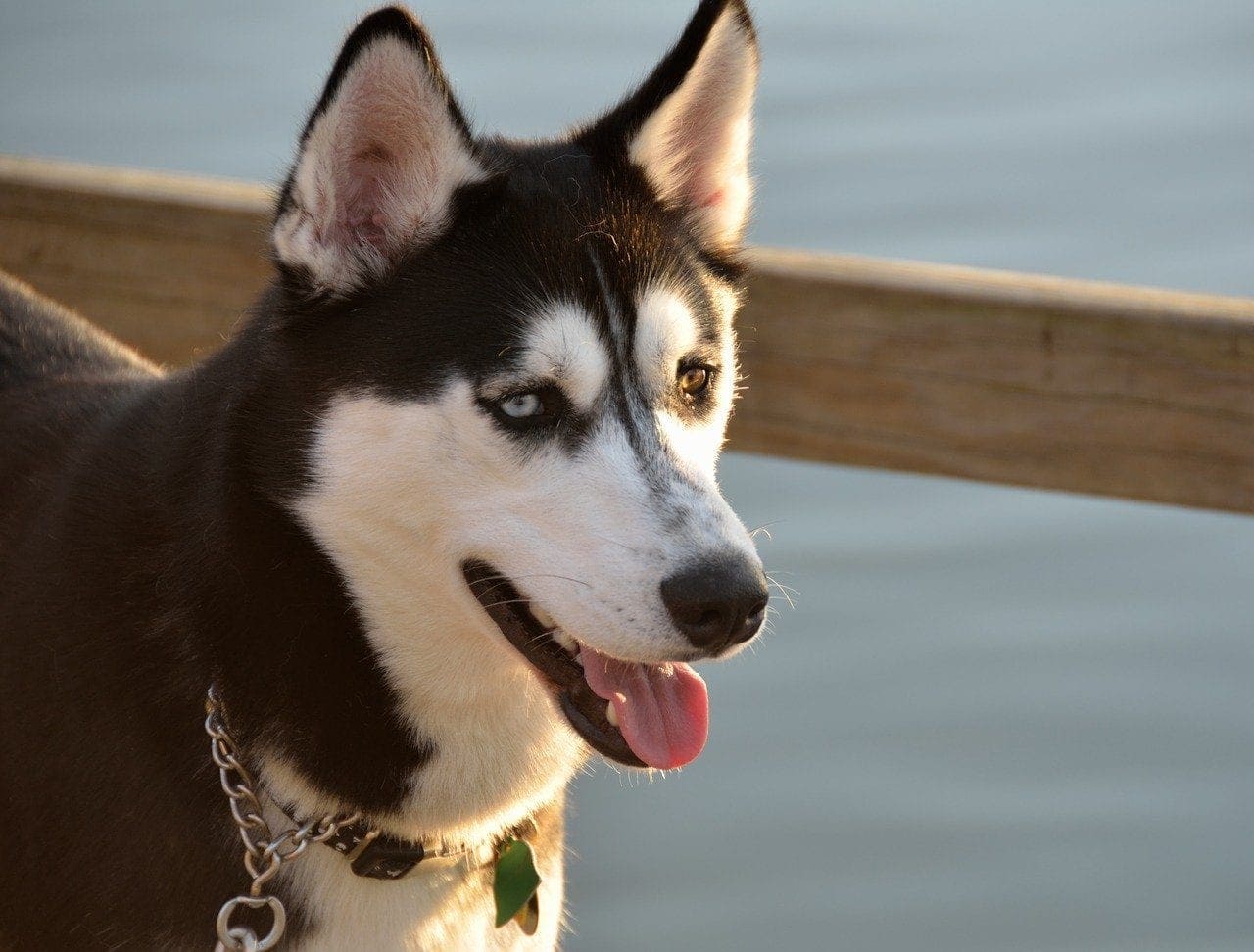
Siberian Husky

  • As their name implies, Siberian huskies originated in-yep, you guessed it-Siberia.
  • They have a double coat, comprised of a very thick, short undercoat that helps them retain body heat, and a long outer coat that's water-resistant, while their almond-shaped eyes offer protection from loose snow and strong sunlight reflecting off of snow.
  • Huskies were bred to run, so unsurprisingly, they make excellent jogging buddies.
  • Heterochromia-or eyes of two different colors-is fairly common among huskies, and often results in blue, gold, brown, or orangey-colored eyes.
  • Despite their tough, wolf-like appearances, Siberian huskies are incredibly friendly- sometimes to a fault!

Samoyed

Samoyed

  • The Samoyed is a friendly, personable dog. These are intelligent dogs, with a touch of independence.
  • Samoyeds tend to get along well with other dogs as well as people and with other pets they are raised with. They are herding dogs and may show some tendency to chase or nip.
  • Samoyeds tend to be hardy, long-lived dogs, often reaching 12 or 14 years of age. These are active dogs and need daily exercise.
  • The Samoyed is truly an ancient breed, selected by nomadic tribes in Siberia to herd their reindeer and double as sled pullers when needed.
  • Many Samoyeds still work today, herding reindeer and pulling sleds as well as being family companions in much of the world.

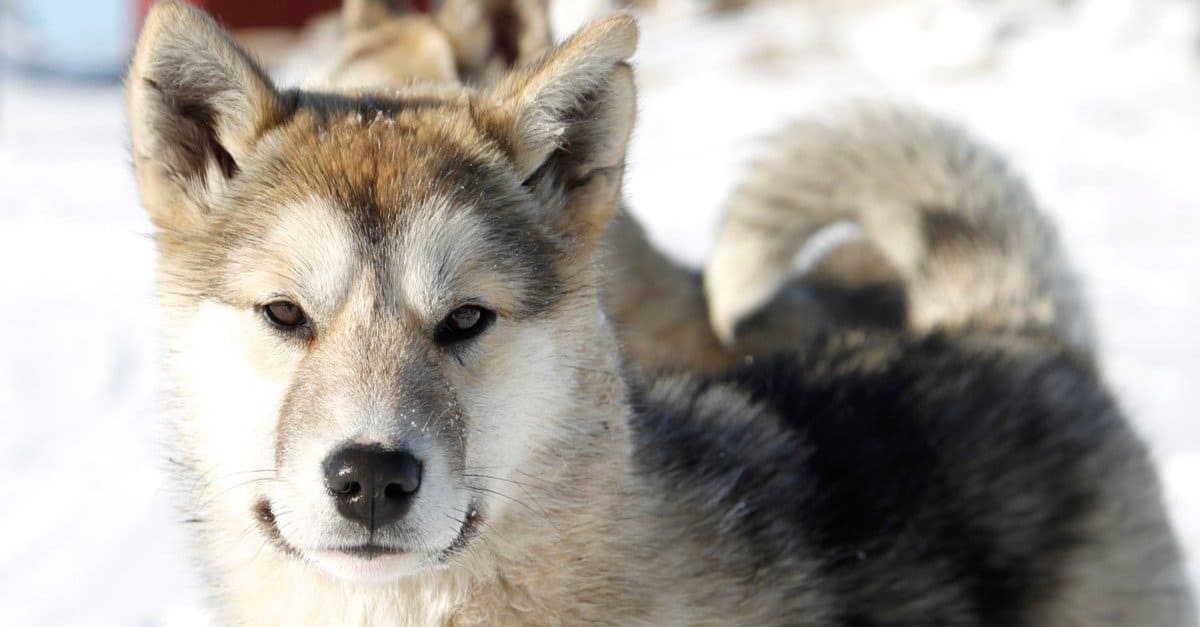
Greenland Dog

Greenland

  • They can reach 22 to 25 inches in height and 66 to 70 pounds of weight.
  • They are aloof, boisterous and independent by nature. It rarely builds strong bond with its owner when it is kept as a working dog in large packs.
  • Greenland Dog is not suitable for the apartments. It should be kept in the houses with large backyards where it can freely roam and eliminate at least some of its energy.
  • Famous for its hardiness, enormous strength and endurance.
  • Greenland Dog is popular as a hiking companion in the Norway and Sweden today.

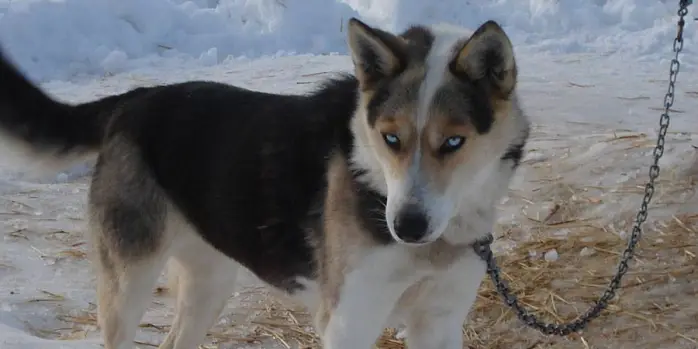
Seppala Siberian Sled Dog

Seppala Siberian Sled Dog

  • Seppala Siberian Sleddogs are born and bred to pull sleds and expend much energy as efficiently as possible. They seem to never run out of it which makes them an ideal running partner.
  • Seppalas look for a leader and have strong pack instincts. They are typically gentle, docile, and are not aggressive -- even when it comes to strangers.
  • They are a straight, medium hair breed who comes in a variety of colors, including white, gray, black.
  • Most people have heard of the heroic dog, Togo. In 1925, Nome, Alaska, had an outbreak of diphtheria and could not have medicine arrive by boat, so the only option was sled dogs. This is where the fame of the incredibly athletic Seppala Siberian sleddog was born. Togo used his instincts to help Seppala, and the other sled dogs complete their stretch of the race safely. Togo's uncanny instincts would go on to help hundreds of people in need of the serum.